

Improving Skiing Performance - Part One
Hi everyone and welcome to the latest post from your favourite blogging Méribel private ski instructor and ski guide. Last time I wrote about my love and enjoyment of ski guiding in Méribel and the huge 3 Valleys ski area, click here for a link if you missed it. It's such fun being able to show skiers from around the world some of the best pistes, mountain restaurants and other hidden gems. Ski guiding is one part of my job, and the other is helping skiers improve their skiing performance. This is what this article, and the next, is all about. Along with ski guiding, I absolutely love helping skiers develop and refine their skills. Observing this process and seeing the results is really very satisfying for me.
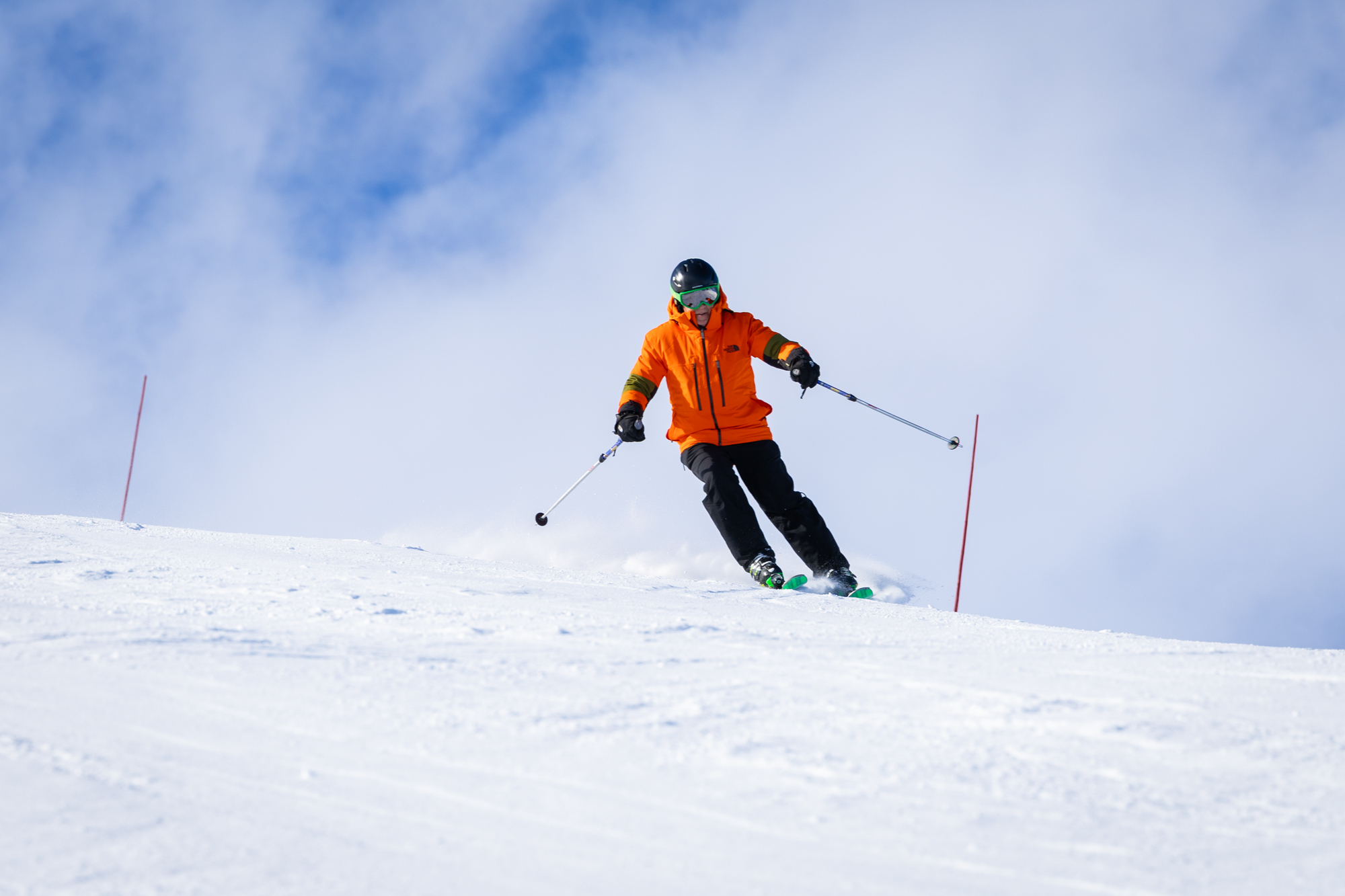
Before I get started however, I think it's important for me to explain that enhancing your skiing isn't only about getting to grips with ski technique. If you are new to reading these posts, then I hope you will find this one interesting. Am I going to re-invent the wheel here and give you something amazingly new and groundbreaking, along with very loud social media attention-grabbing headlines? No absolutely not. But what I can share with you are no-nonsense simplified explanations to help you become more aware of your skiing performance when next on holiday.
One thing I pride myself on when ski teaching each winter, is looking at how we can improve our skiing. In other words, avoiding over-complicated explanations and incredibly intense paralysis by analysis. Speaking of which, I've just checked the definition of this: Paralysis By Analysis is a state of overthinking where excessive data, fear of making a mistake, or an overload of options prevents you from making a decision! I do my best to keep things simple with feedback and information sharing. Having said that, we do now need to look at some theory. Ok, here goes, and good luck everybody!?!
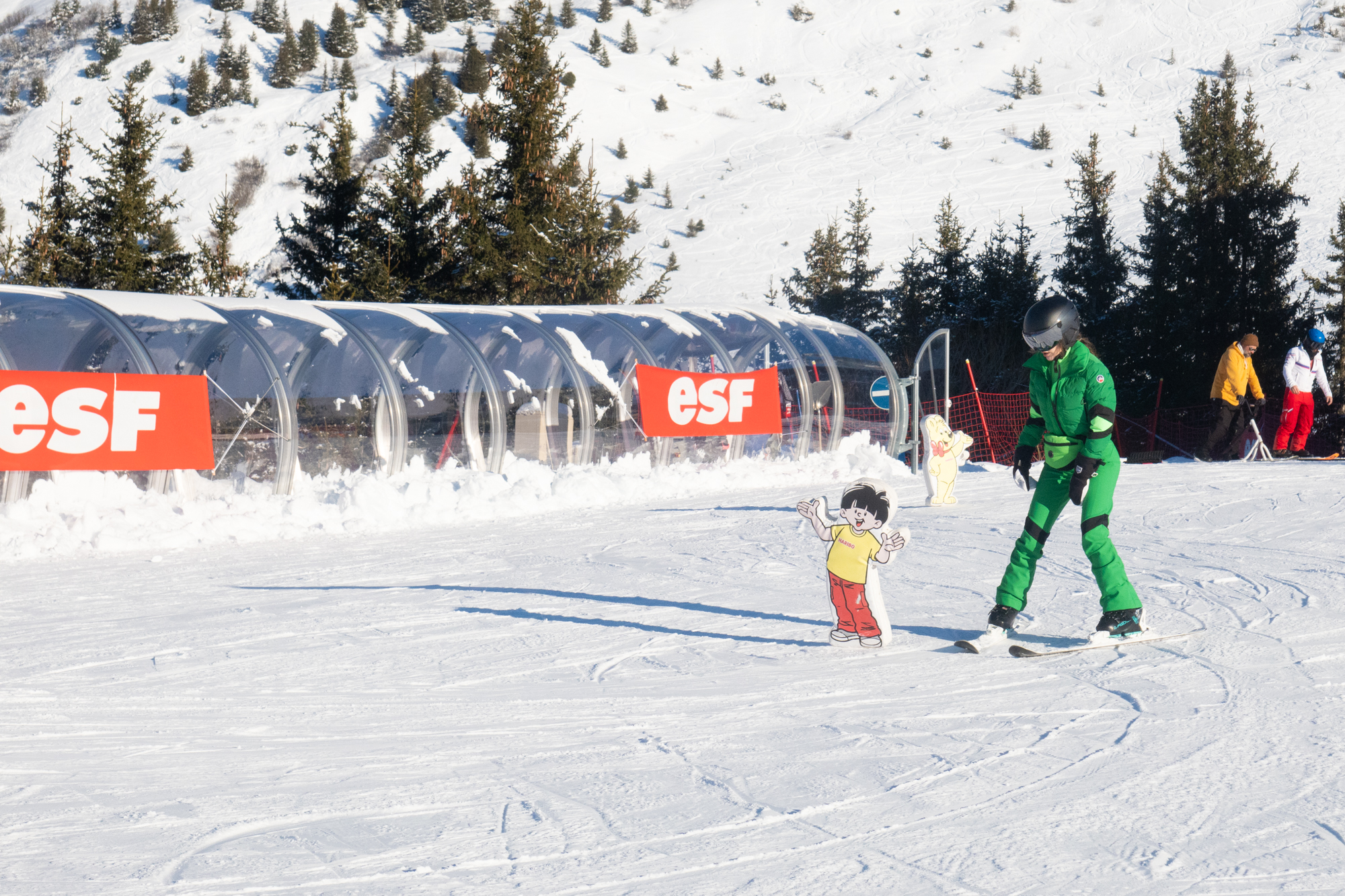
I'm going to introduce to you a thought process called 'Performance Threads'. This is where we simplify and chunk down different subjects that, when combined together, all affect a skier's performance. Notice that I've mentioned 'combined together'. All of the 'Performance Threads' need to be effective, and work hand in hand. But I need to break each 'Thread' down to help simplify the theory. I hope I haven't lost you yet, but please bear with me. One of the biggest and most popular 'Threads' is Ski Technique. Hence I'm going to start with it. Having a good/great skiing performance isn't only about effective ski technique, far from it. When I meet skiers for the first time at the ski school, most people say they want to improve their ski technique, and also be less knackered and more confident.
So, what is Ski Technique? Put simply, it's the physical movements we make as humans on skis. It's us telling our skis what we want them to do for us! Let's chunk it down again, into two parts, balance and steering. That's all, just two subjects, and we'll start with balance.
If we are balanced nicely, our movements will feel free, we will have control of our line down the mountain and our speed, and we will be relaxed on our skis which is such a lovely feeling. If we aren't balanced correctly over our skis, we are on for a rock and roll experience which will more than likely be stressful and exhausting. On easier slopes, this will be much less of an issue. But if the gradient gets steeper, or the snow conditions deteriorate, or visibility worsens, then being unbalanced becomes more of a negative factor. An unbalanced skier will be battling against the mountain and themselves.
So what is good balance? Let's chunk it down again......
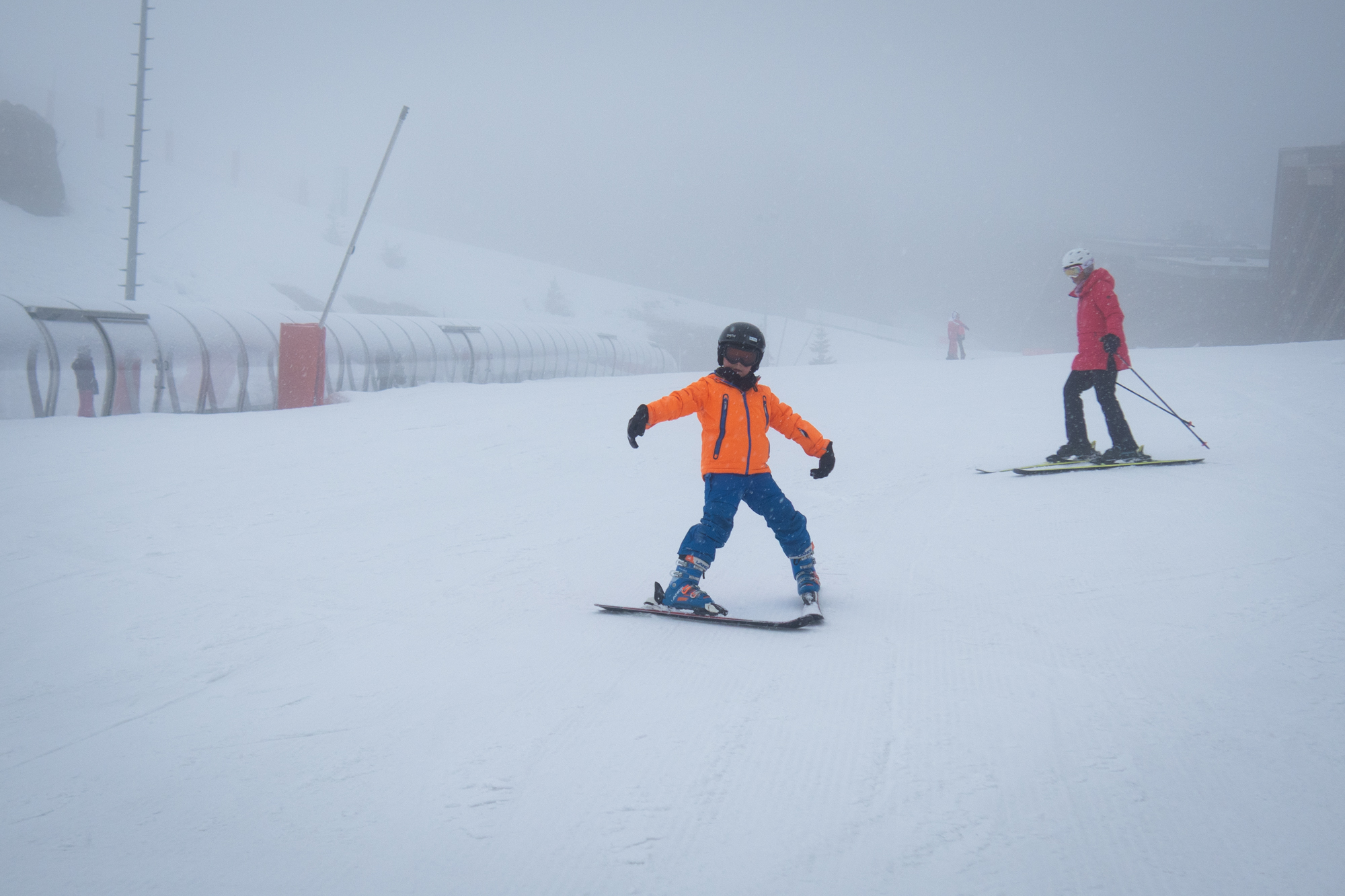
There are three planes of movement that affects our balance: fore and aft (backwards and forwards), lateral (sideways) and rotational (twisting). There you go, chunking down is great isn't it? Nothing complicated here. So, fore and aft (backwards and forwards) is a biggy. If a skier is beautifully balanced over the sweet spot of the skis, in other words they aren't too far forward or leaning back, then life is awesome. Having the correct fore and aft position is a joy. It's energy efficient, it's easier to turn the skis, your legs will automatically absorb any lumps and bumps, and your ski edges will grip effectively into the snow. What's not to like about that?
So why do we see such a high percentage of skiers on the mountain lean too far back? Two reasons, either a bad habit has taken hold over the years, or fear sends you to this awful place. More on the fear factor with another 'Performance Thread' in the future. If skiers are leaning back, why is that a problem? For a start it's utterly exhausting, with thigh muscles on fire. I don't care how fit or strong someone is, that burn will eventually get you if you are leaning back on the skis. Also, if we are too far back on our skis, the lovely sharp metal edges won't be gripping into the snow as much as they could.
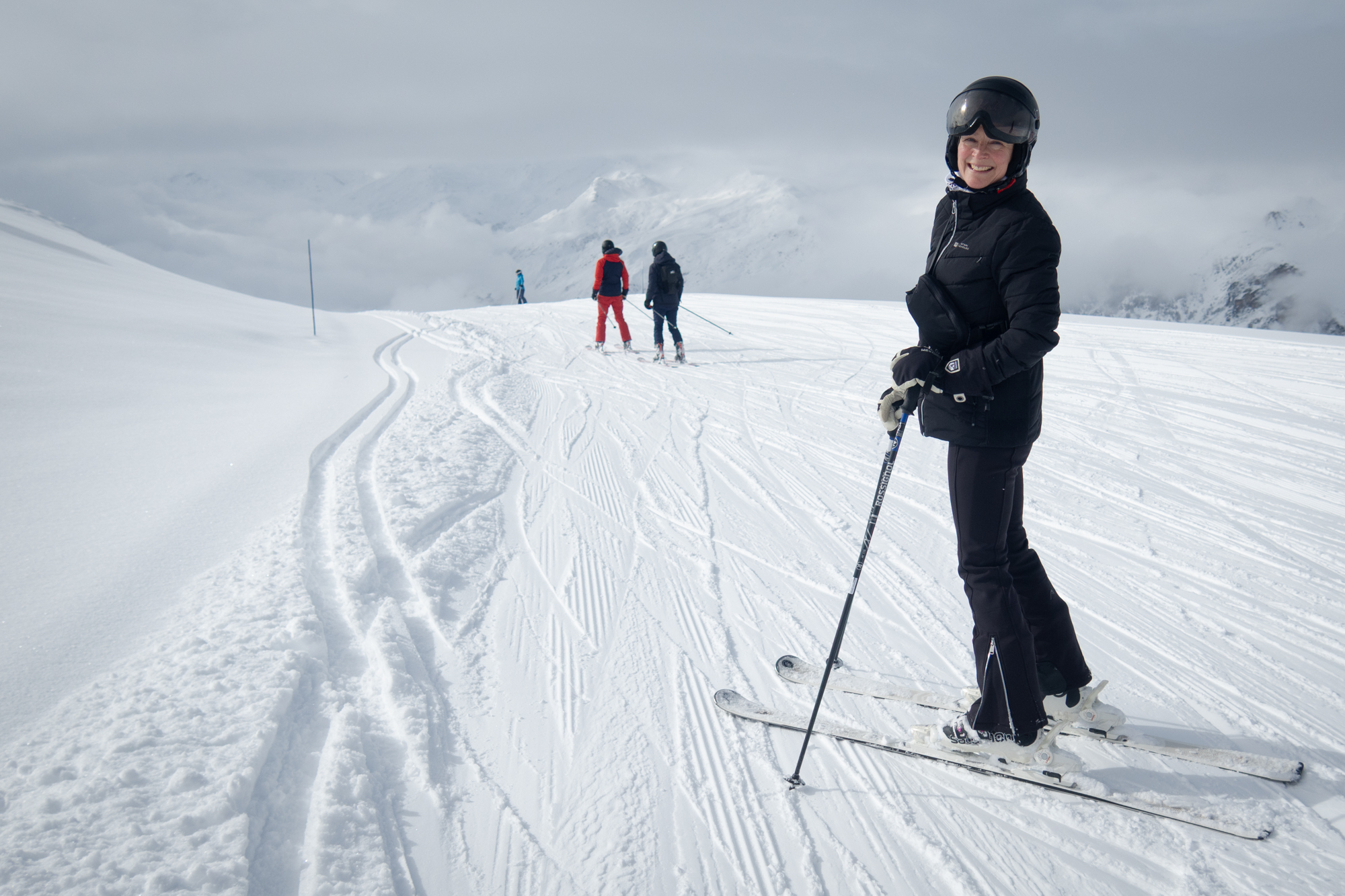
Another plane of movement I mentioned was lateral (or sideways if that helps). This is something that people ignore at their peril. Ideally we move our balance, or body weight, laterally onto the outside ski of the turn. Some people call this the downhill ski, but try to think about this as the outside ski of the turn instead of downhill. Why? The downhill ski is only downhill when halfway through the turn. This can be confusing, but once you get the concept of what the outside ski of the turn is, it will simplify things. Many people on the mountain have too much of their weight on the inside ski. If a simple lateral movement (remember that lateral means sideways) is made to correct this onto the outside ski, then your skis will grip so much better without you having to put any extra physical effort in. How cool is that? Using your body weight (not physical strength) to give you more controlled grip between your skis and snow. It's a win win.
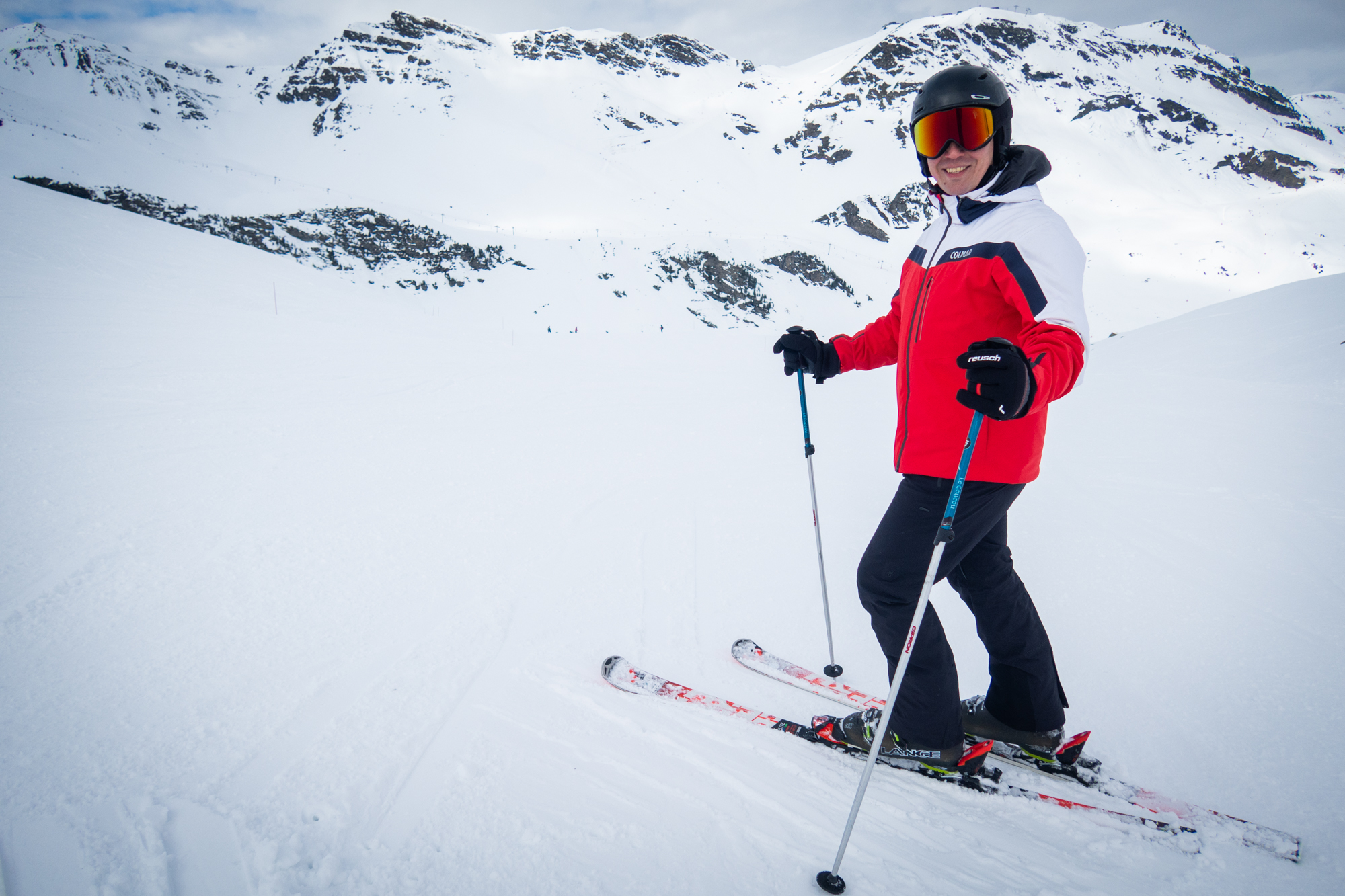
The third and final plane of movement I mentioned earlier is rotational (twisting). Professionals have different opinions on this. To be a very good recreational (piste) skier, the general rule of thumb is we barely need any rotational movement with our upper body. Please notice I said 'the general rule of thumb'. There will be the odd instance where some rotational movement will help, but this can be a bit of a minefield and I want to keep this post simple. All I will say is that any excessive rotational upper body movement (for groomed piste skiers) has a high probability of affecting a skier's balance. The more advanced a skier becomes, some rotational movement can be introduced, but this is for high level skiers only.
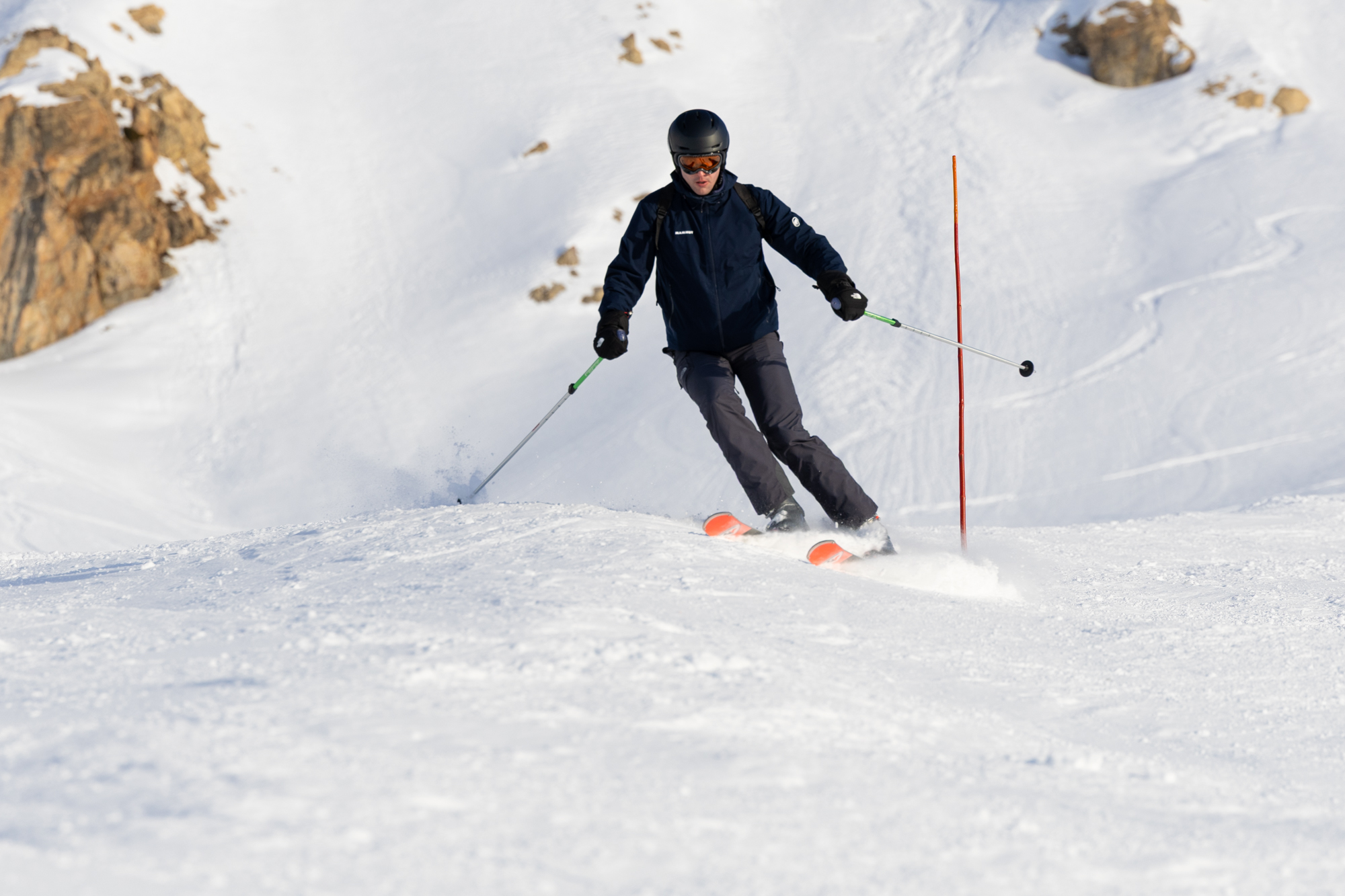
The second subject that I want to speak about in the Ski Technique 'Performance Thread' is Steering. What do I mean by steering? Simplified, it means turning our skis. Why do we bother turning down a piste, what's that all about? Granted there may be obstacles in front of us that we want to avoid, but the main reason for steering is to slow ourselves down or stop. Put like that, steering is incredibly important. I'll often ask skiers what it is they are physically doing that makes them turn, or change direction. Knowing what movements are made is a good starting point to be able to fine tune steering skills.
When I'm teaching beginner skiers, I introduce them to snowplough turns. Most people think that a snowplough turn is only about placing more pressure (or weight) on one ski than the other, thinking that this is what helps them turn. Another movement is using their feet to steer the ski at the same time as putting the pressure on. This steering element is super important. Mainly because the snowplough turn only works up to a certain gradient. Beyond that point, the snowplough doesn't slow the skier down enough, it's the quality of turn (the steering part) that helps control the speed. Let me say that again, it's the quality of the turn that gives skiers control on any gradient. If we accumulate speed descending a piste, it's either because the quality of the turn is letting you down, or the balance element (as mentioned previously) isn't working for you as it could. Or both!?!
Here ends a brief chat about ski technique. It can be a pretty big subject, but I hope I've summarised it enough to make sense. There's been a fair bit to take in, but if you read this article a few times, I hope that it will help you understand this subject and that you can relate to it.
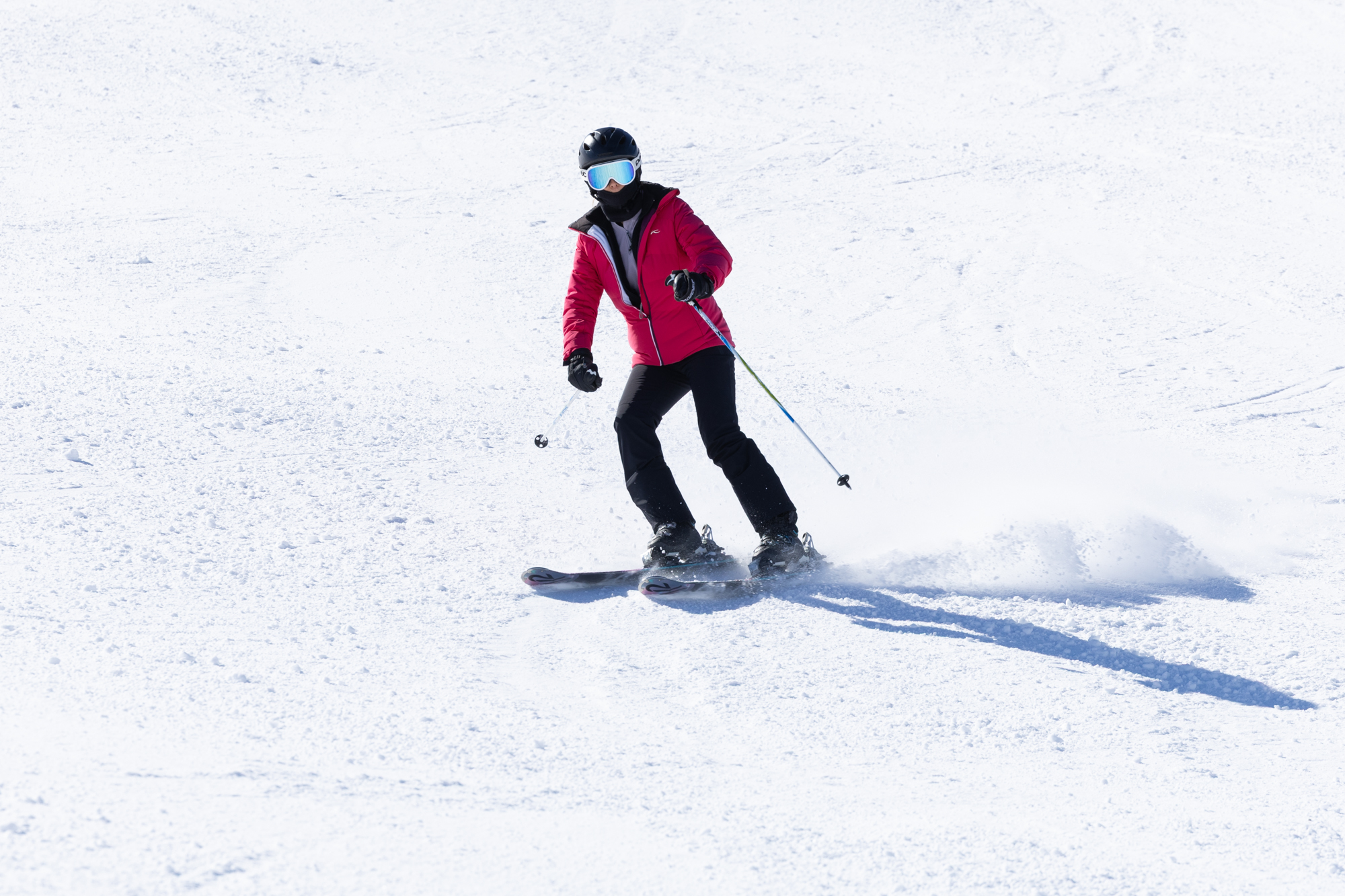
Next time I'll talk about some of the other 'Performance Threads', and see how these can also help improve someone's skiing performance. I hope you have enjoyed this article, and the photos. I've certainly enjoyed writing it, which has in turn helped me look forward to skiing again this coming winter. Right, credo time...... don't forget to Live With Passion. Martin.
Contact me
Email me athello@skihemsley.co.uk> or use the form on theContact page>
Full phone contact details also on myContact page>