

Improving Skiing Performance - Part Two
Hi everyone and welcome back to another post from your favourite blogging Méribel private ski instructor and ski guide. Last week I wrote about how we can improve our skiing performance. Or should I say, I made a start on this subject. Because after all, it can be a pretty big one. When I'm ski teaching I try to simplify my lessons so skiers don't become overwhelmed with endless things to remember. This is what I attempted in my previous article (Part One), when I explained the process of having 'Performance Threads'. And the first 'Performance Thread' I chose to write about was the effect that Ski Technique can have when helping a skier improve their skiing performance. Click here for the link if you missed it. This time I'm going to talk about other 'Performance Threads'.......
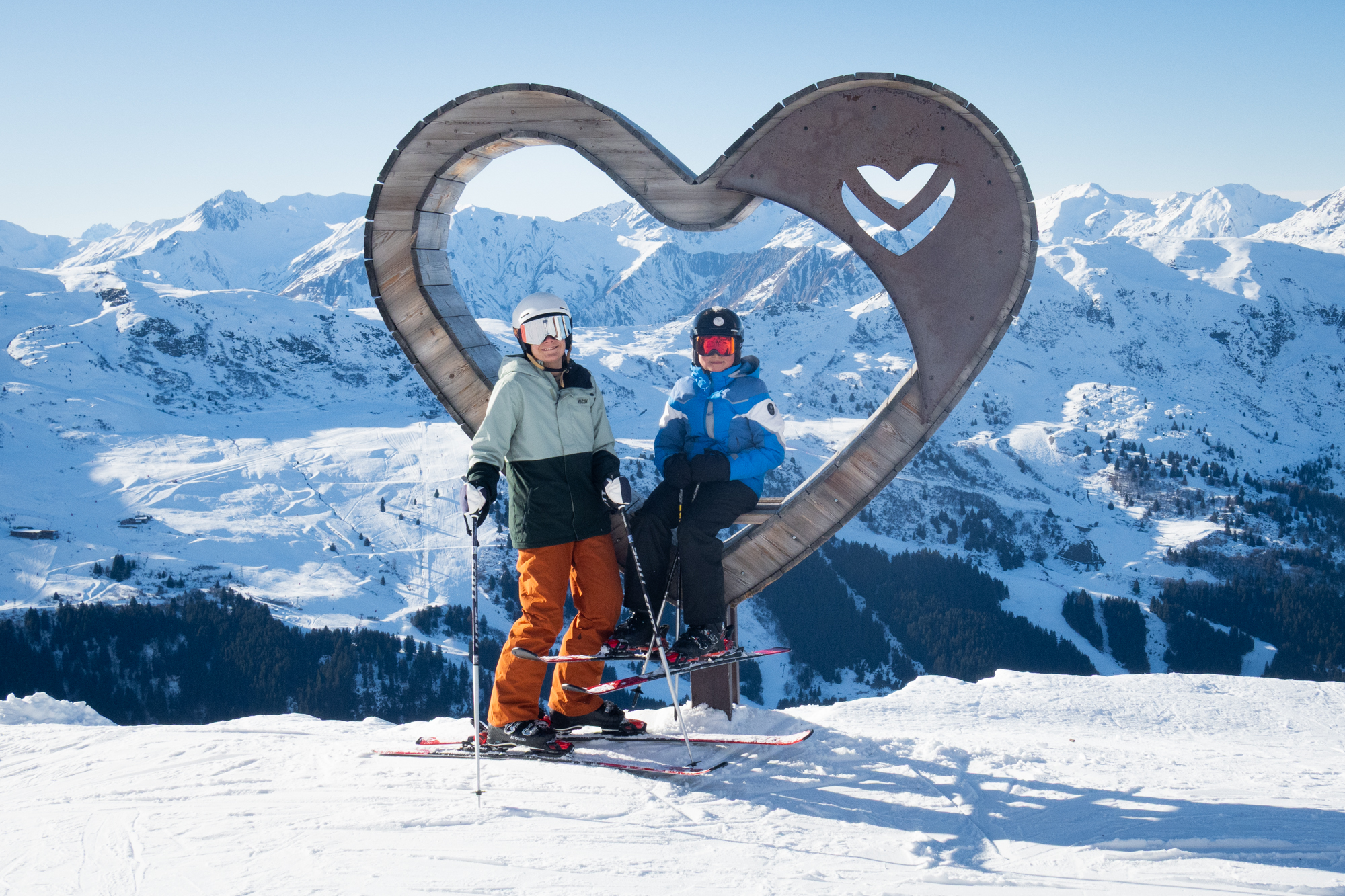
Let's call this next one Tactical. Often overlooked by skiers but this area can have a surprising effect on your skiing performance and in particular your enjoyment of your precious ski holiday. Often a big question can be who do you want to ski with? Will you be skiing as part of a group, or with your family? How many are in that group? A large group can be great fun, but with an increasing risk of different agendas. Will there be a natural leader navigating the pistes. Will the choice of pistes be to your liking. Will any chosen route be cruisy enough, challenging enough, varied enough?
This may all sound quite crude and basic, but can you see how important these decisions can be? The secret to success here is for everyone to be open and honest with each other. It's not unusual for some skiers to feel some peer pressure. Feeling under pressure can be a rather unpleasant thing and can definitely affect a skier's performance and ultimately their enjoyment. If you are skiing in a group and a skier says they don't want to do something, or ski down a specific piste, why not be empathetic and respect their wishes rather than insist them to do the opposite?
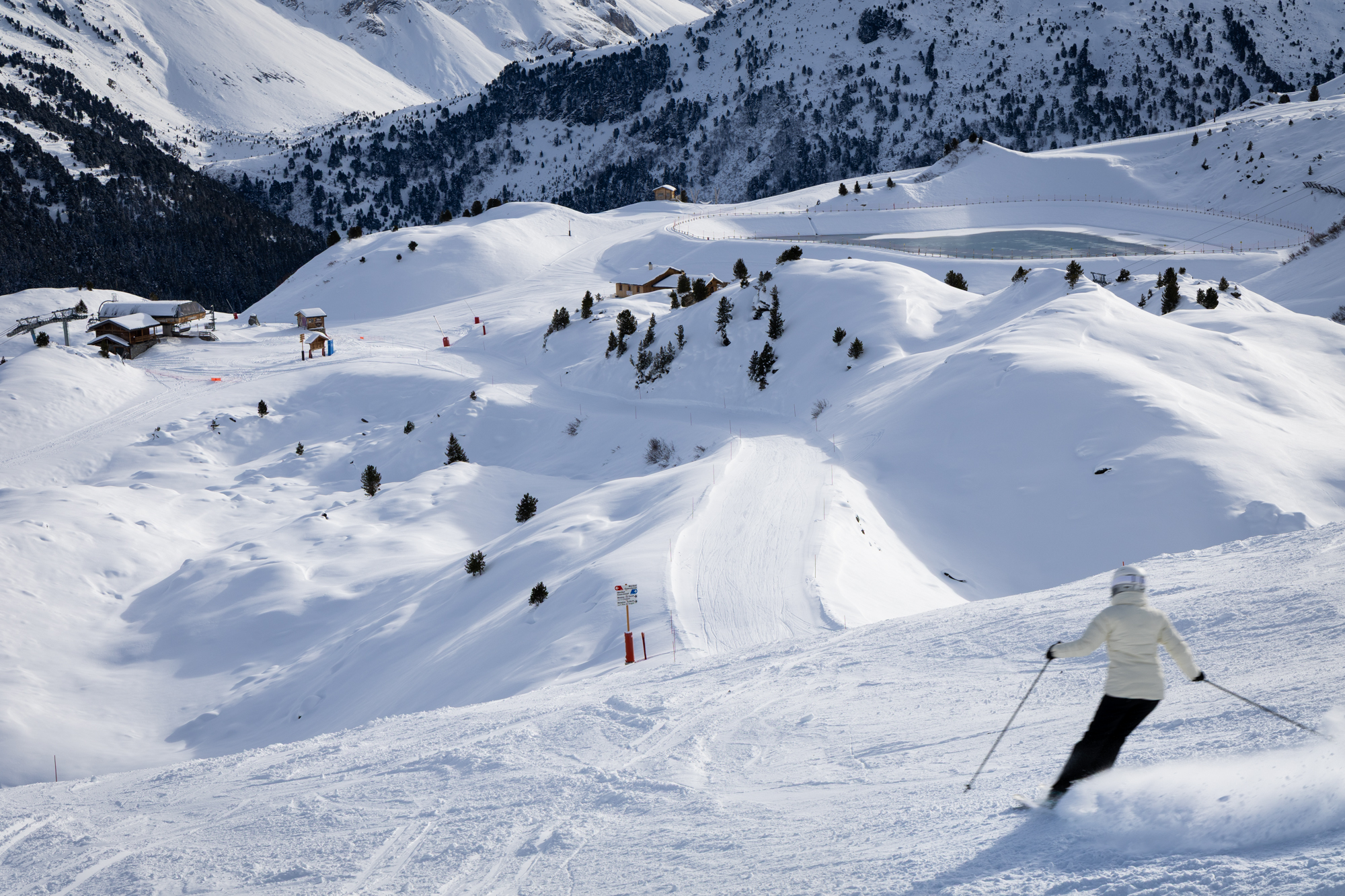
Another aspect of the Tactical 'Performance Thread' is quite literally how you choose to ski down a particular piste. If there's a certain piste that you are really keen to ski down, think about what time of day you can do this. Earlier in the morning the chances are most pistes would've been beautifully groomed which makes the experience very enjoyable. If it is a quiet piste this is less of a thing. If you have chosen a more popular one, it is only going to get more chopped up due to skier traffic as the day progresses. A classic example of this is a piste called Creux above Courchevel, if you are familiar with skiing in the 3 Valleys you have probably heard of it. Creux is an absolute beauty first thing in the morning, a real joy and many skiers dream of skiing it after getting the first ski lift up. However if you choose it later in the day, especially in the afternoon, well, it's a very different experience after thousands of skiers have left their mark. Another classic example are the two pistes that come down Mont Vallon in the Méribel Valley.
And finally with the Tactical 'Performance Thread' is choosing which part of any given piste you are skiing! This may sound odd, but the quality of the snow may vary; sometimes the snow is nicer on the sides of pistes. Or when approaching a bend/corner, have a look and see which side looks nicer in terms of gradient and camber. Choosing which speed to ski down a piste can also affect your performance. The Tactical 'Thread' is an interesting one, and worth considering when next on holiday.
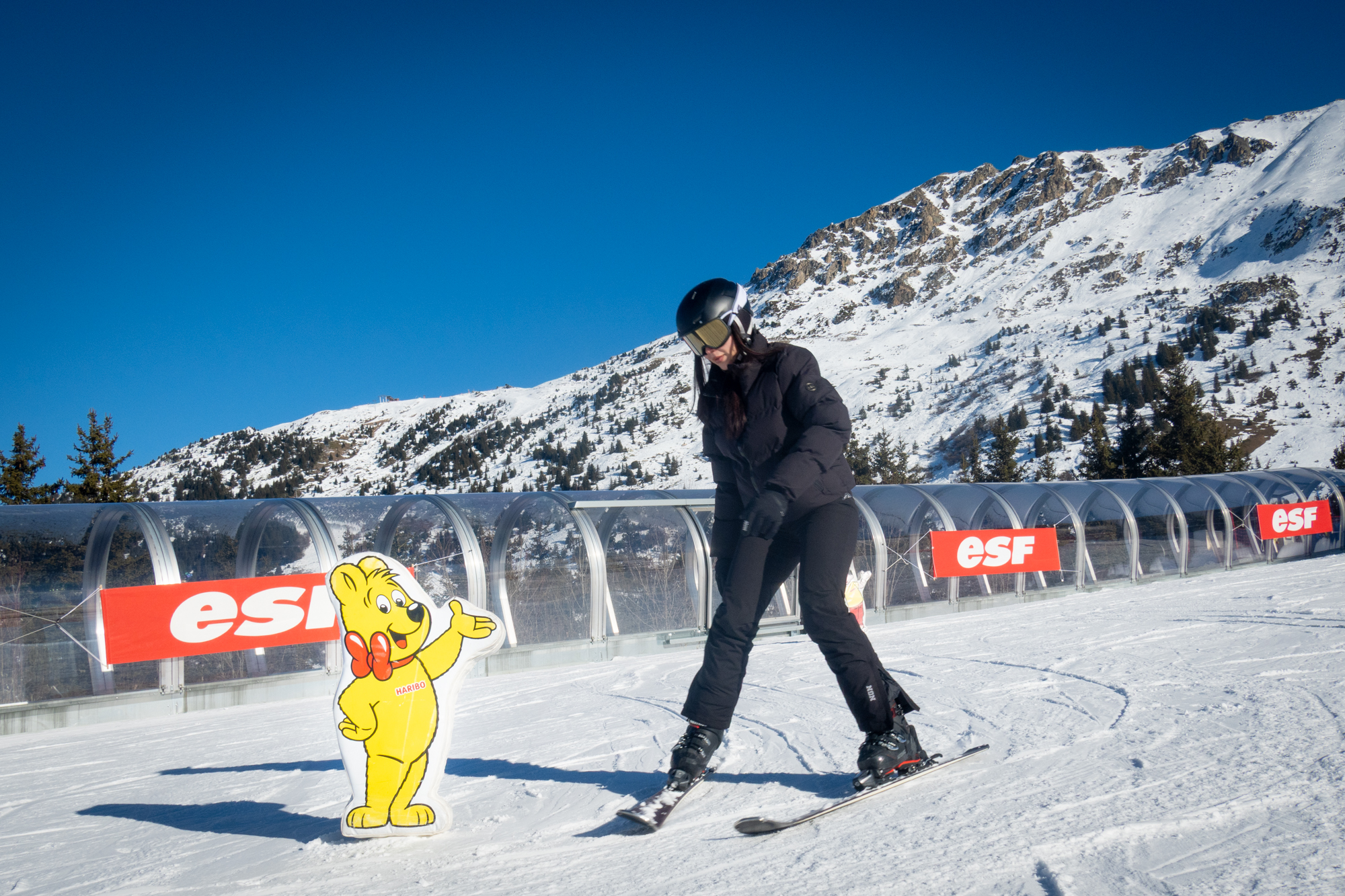
Ok, on to our third 'Performance Thread', Physical. Our physical state can have a huge impact on our skiing performance, and again ultimately our enjoyment. At the risk of sounding obvious, having a good physical condition is a win-win when it comes to skiing. If you are physically fit, with a nice blend of strength and endurance, the chances are skiing will be great fun. This of course takes time and commitment ahead of your skiing trip, but there's no denying the advantages. I'm certainly not going to bang on about being physically fit, but if you do have the time and opportunity then I can't think of any disadvantages here.
Another consideration is how agile and flexible a skier can be. Do you stretch your muscles regularly, or even on holiday? I'm not suggesting that every skier should be able to touch their toes (!), but be aware that being flexible can be an incredibly positive thing with injury prevention. Having supple muscles, especially within a cold environment, is a great advantage. Regular stretching can help, but why not treat yourself to a massage mid-holiday? During the ski season I aim to have a sports massage once a week on my day off. Not because I like the pummelling my sports massage therapist gives me, but I know and feel that this process keeps my body in a state that helps me recover better with fatigue, and also helps prevent any injury niggles that could pop up at any moment.
If our Physical condition, ie strength, endurance, flexibility isn't what it could be, then perhaps be realistic with your expectations. Who says that we should all ski the full length of the day, every day of a holiday. This would be very physically demanding. Why not stop skiing early one afternoon, or just ski up until lunchtime one day? Especially if there is bad weather!
Hydration is really important as well. Being at high altitude even at resort level, let alone skiing higher up the mountain, is more hydrating than most people will experience in everyday life. It's very easy to forget to drink water, especially if the weather is cold. It's possible that your ski holiday is more dehydrating than normal as well, if you know what I mean. Needless to say, if you are feeling slightly unwell, or carrying a small injury, a skier's performance will be affected along with enjoyment. It's rubbish when this happens, especially during a precious skiing holiday, but these things do happen sometimes. Be kind to yourself.
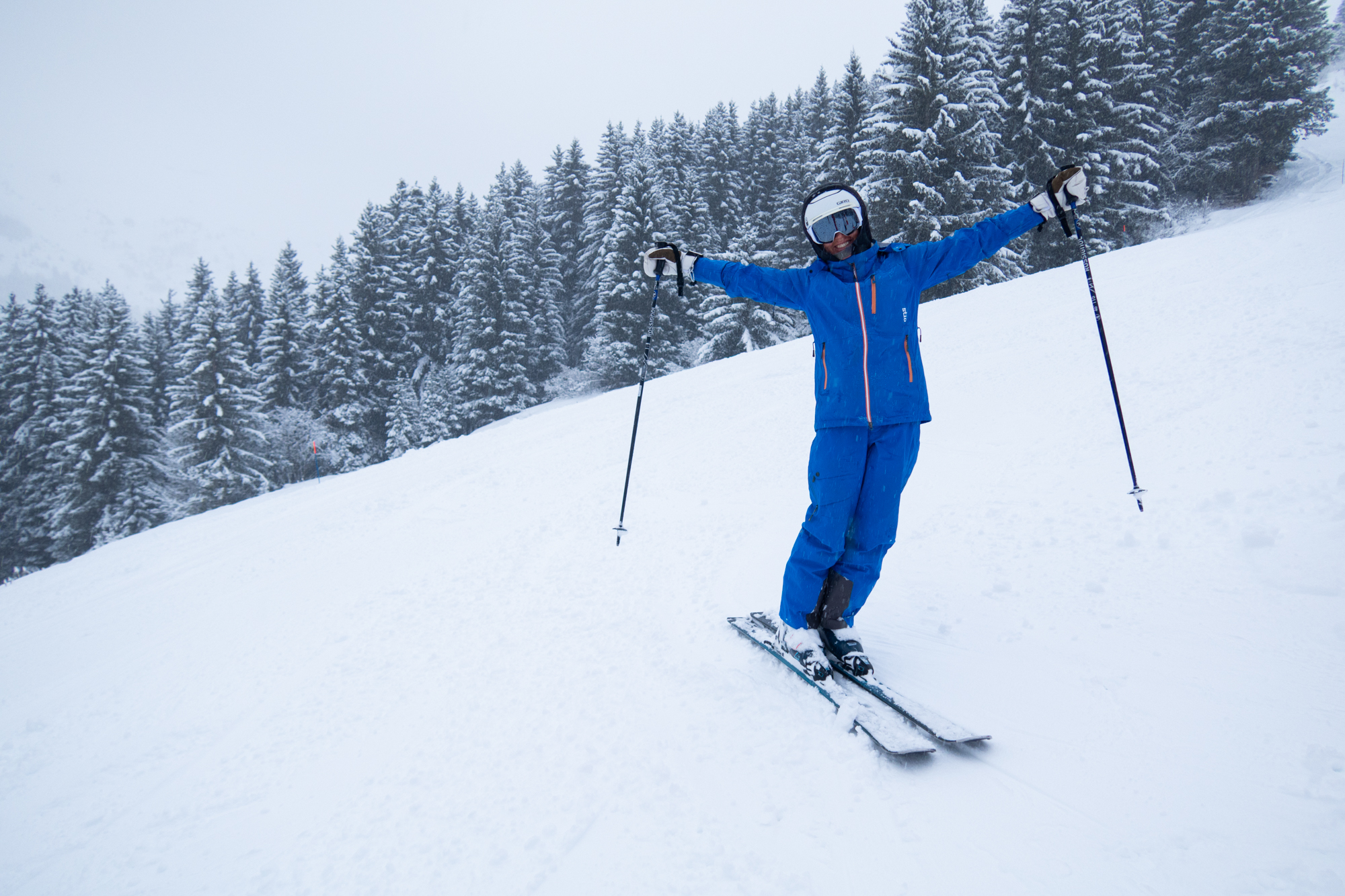
A fourth 'Performance Thread' is defined as Psychological. Now then, where on earth do I start with this? For a start, I think it's really important for me to state that I'm not a trained sports psychologist. It's a subject that fascinates me, and I will often talk to colleagues about it. Over the years I've built experience witnessing situations and meeting many people where I can see their enjoyment and skiing performance be altered whether in a positive or negative way. Our psychological state can be very powerful.
Often, skiing with your friends or family can be a thing of joy. It's the best sport ever, in fact the best feeling ever. These moments are the ones that help you look forward to your skiing holidays, the moments you dream about, and these are the moments you can share with other skiers who will nod and have a big beaming smile for you. The mountain views, the feeling of freedom on skis, the fresh air: everything is working for you. But sometimes, even if you are one of the most positive of people, your performance and enjoyment can tank. Hit the rocks. There could even be a serious sense of humour failure!
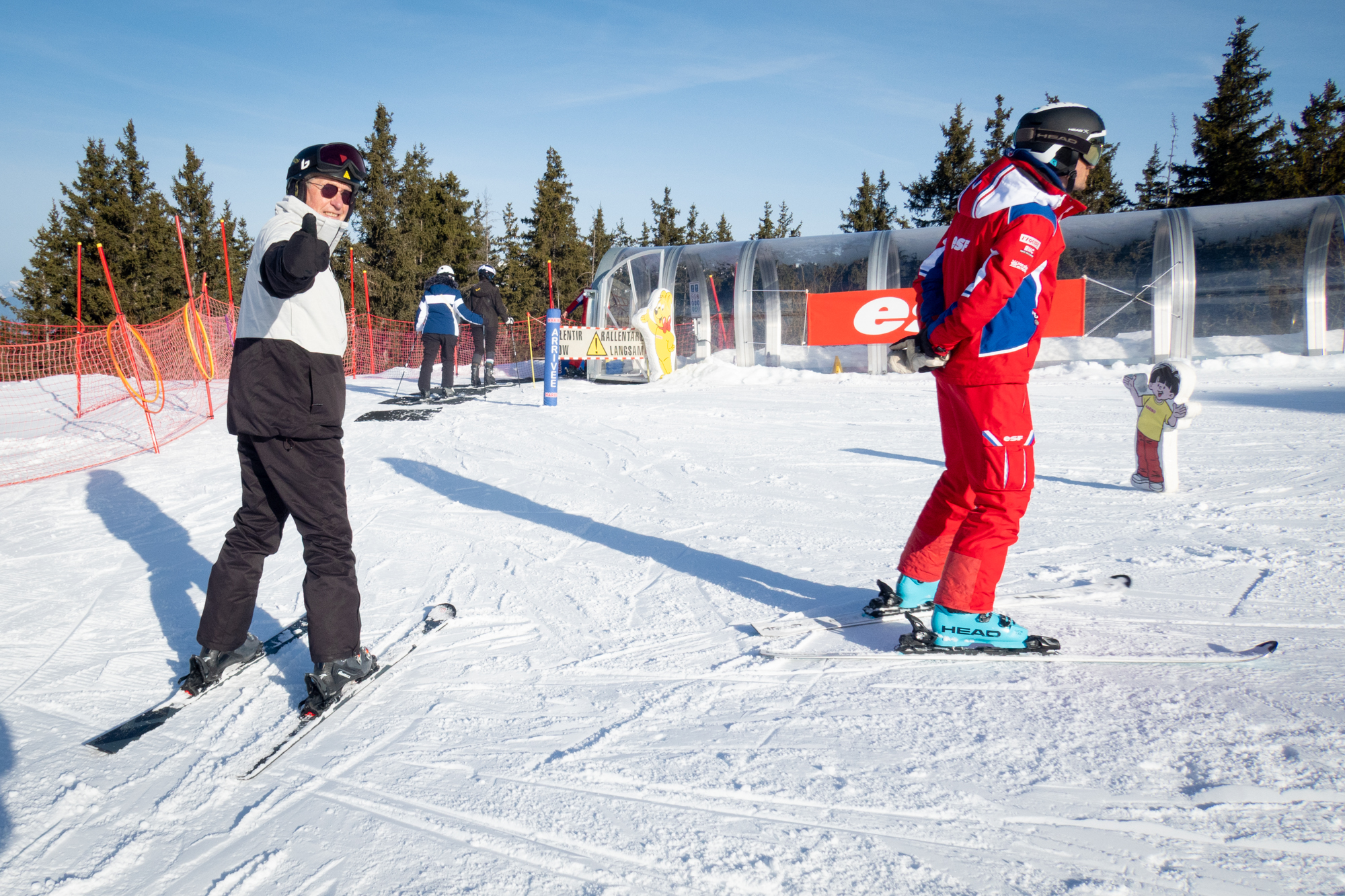
What can cause such meltdowns, which can feel out of your control? Snow conditions can be a major one. If the pistes are icy, this can unconsciously cause us to become defensive, which can in turn mess up our technique. The sound and feel of the ice can utterly dominate our thoughts. But if we can embrace the ice, we will relax more and our enjoyment (and performance) will improve. Thick fresh powdery snow can also mess with our heads. Quite often skiers aren't familiar with skiing in these conditions, and that naughty little monkey inside our minds tells us to do completely the wrong things on skis. Which results in losing confidence, and even feeling scared. A horrible horrible thing to experience.
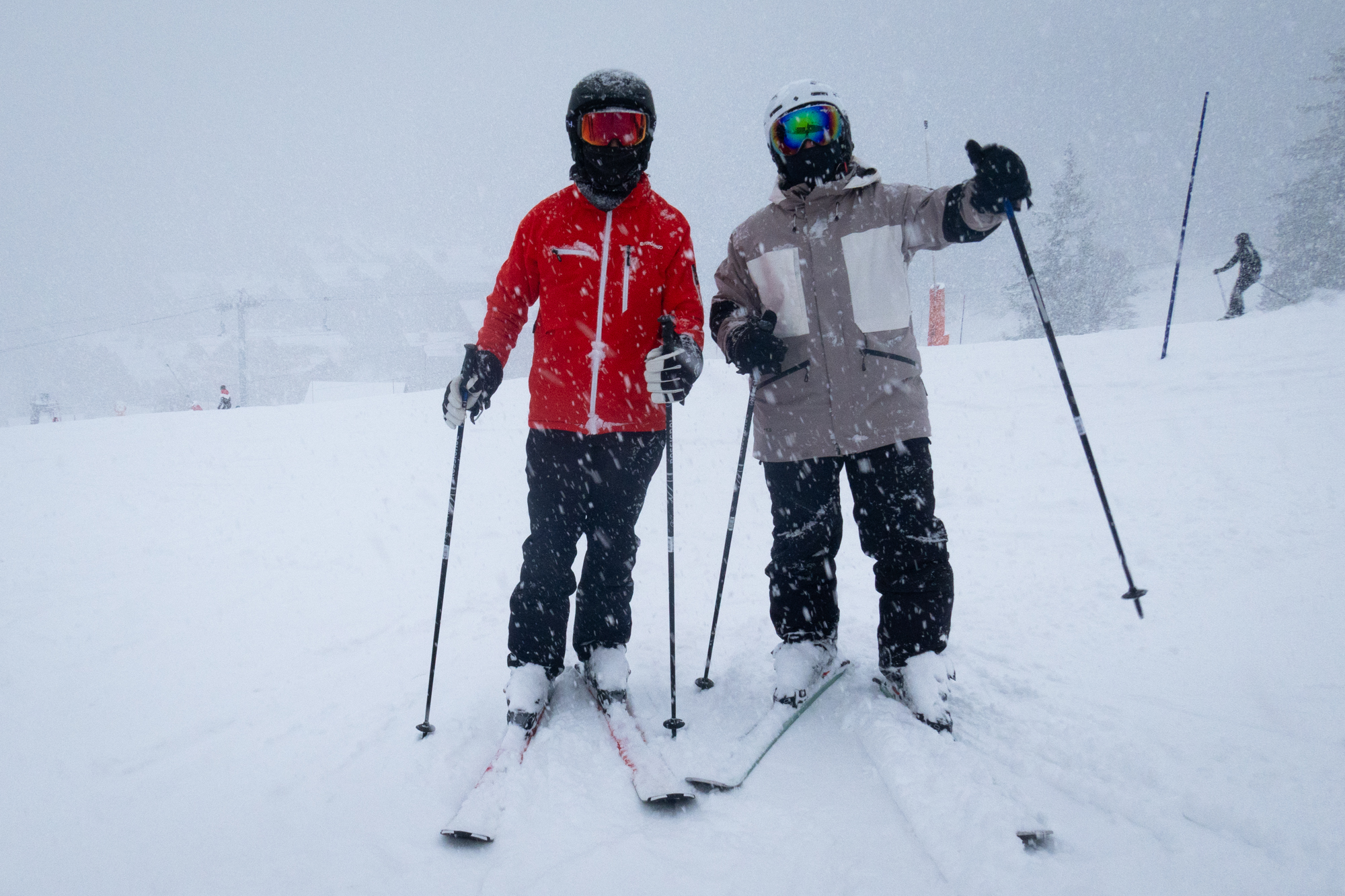
Bad weather does the same. Thick fog plays with our senses. Strong winds can be a distraction, and freezing cold temperatures can all turn us into wibbly wobbly jelly like nervous wrecks. There are some people, I call them the 'glass half fullers', that will be quite good at avoiding any psychological wobbles. For those that have the wobbles just mentioned above, how can we go about dealing with these challenges?
Firstly I would say, don't beat yourself up. If we are out of our comfort zone, our enjoyment and performance of course is going to dip, that's life. However, one really good coping mechanism can be to have a technical focus that will help you through any situation. With the Technical 'Performance Thread', which I wrote about last time, I mentioned there were two main factors; the first was balance, and the second was steering (turning your skis). How about using one of each here. When the snow conditions or weather conditions are tough, think about trying to avoid leaning back on your skis. The further back we are, the more exhausting it is, which adds to the list of things against us. Just a little tweak can make a huge difference. That's a balance-related coping trick. How about steering? When we are afraid, skiers often rush their turns, which can then add to any anxiety levels. Try to avoid rushing your turns, with more patient steering. There you go, two coping methods. Hope that helps.
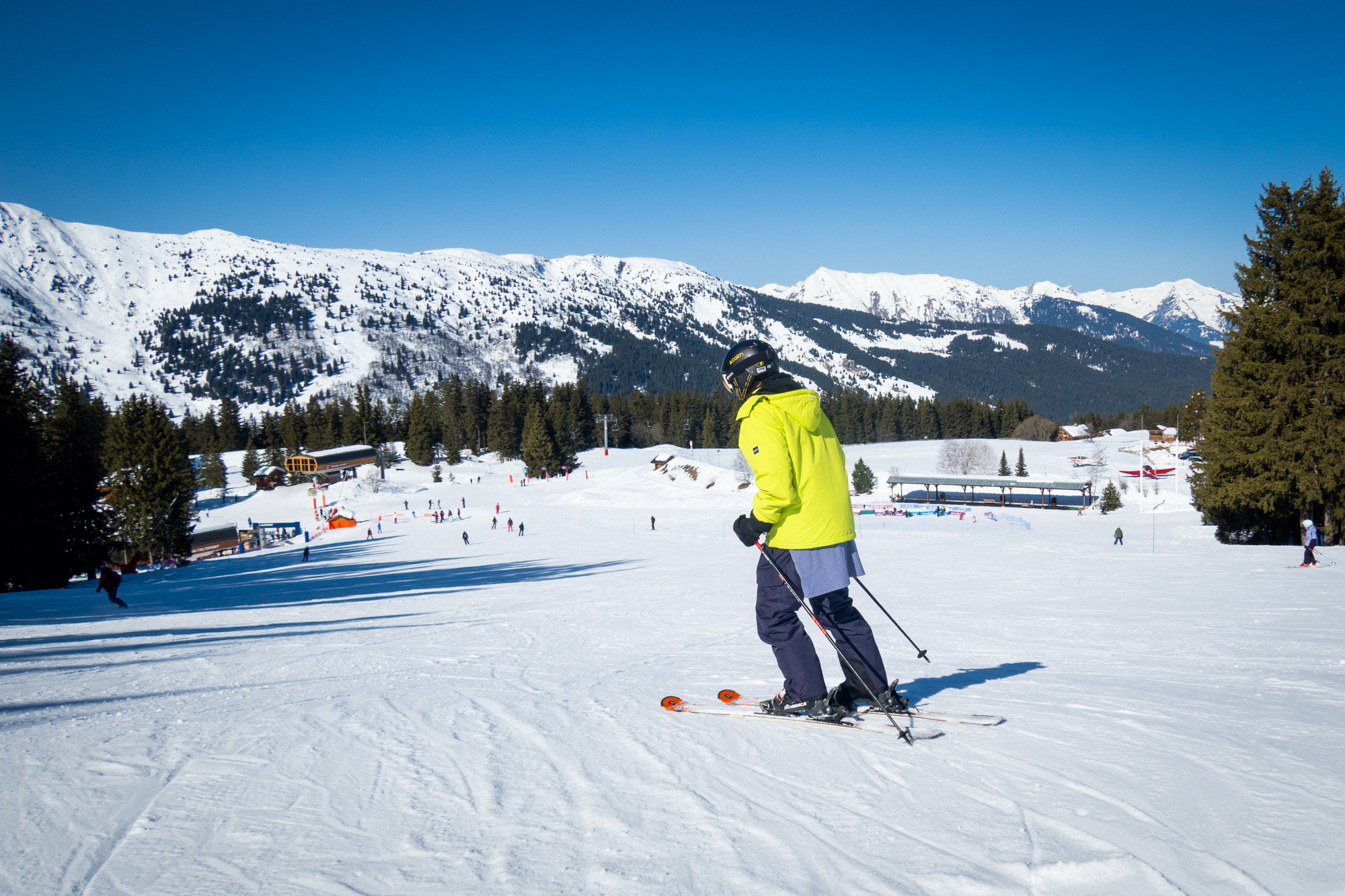
We've now covered four 'Performance Threads': Technical, Tactical, Physical and Psychological. Well done everyone for getting this far. Just one more quick one if it's ok by you? Let's call it Equipment. Being able to use the right equipment has a massive influence on performance and enjoyment. If you have your own pair of skis, for goodness sake get them serviced regularly to keep them in good condition. A minimum would be weekly; it makes such a difference. If you rent your skis, use a reputable rental shop. Like many things, if you go to the cheapest shop, there will be a reason for it. A reputable shop with good stock, will do you proud. Over recent years, the ski category of All Mountain Skis have grown in popularity. With the average width of skis under the foot being between 80 to 95mms. Take advice from the staff in the shop.
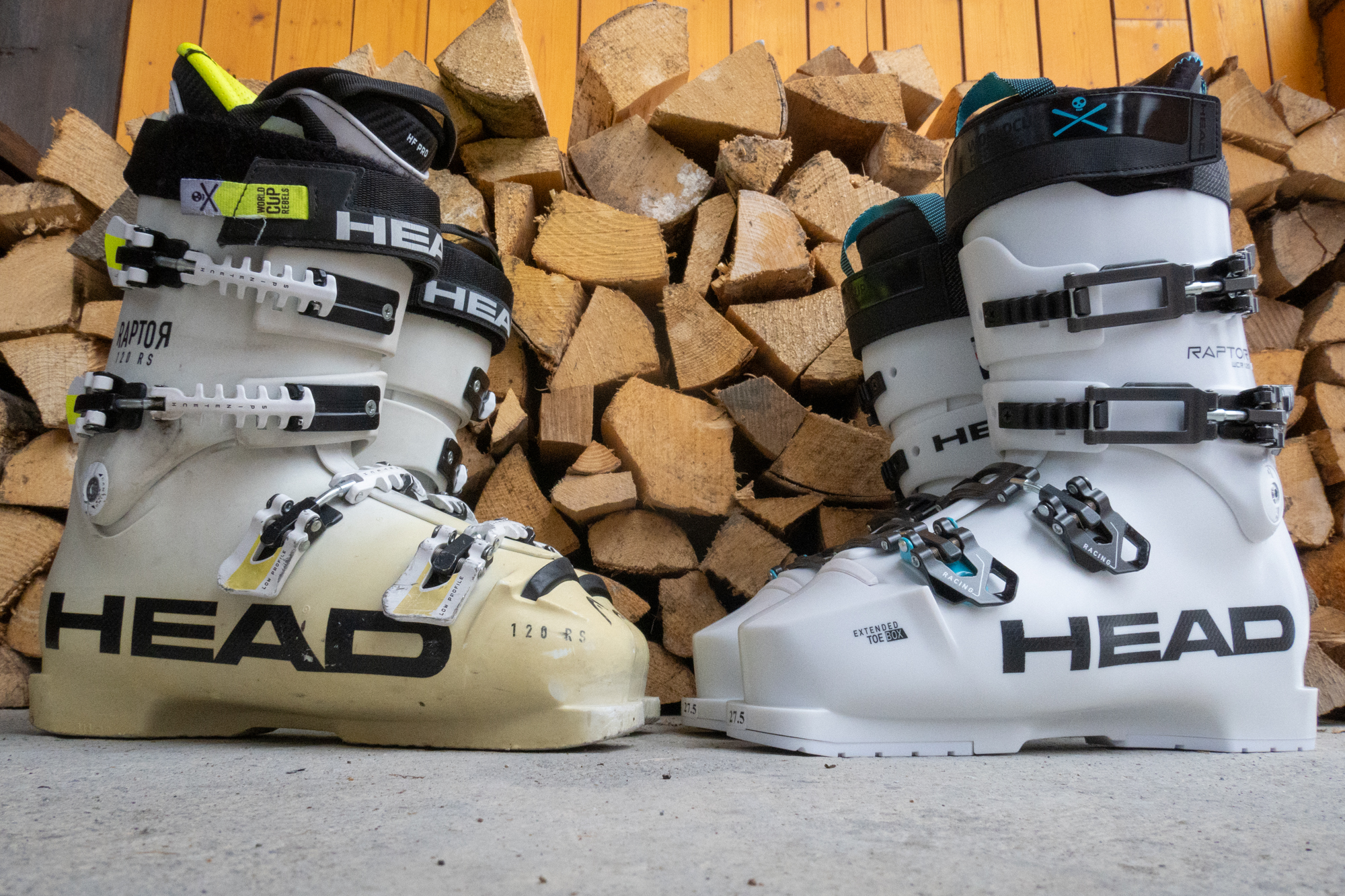
That's skis. But I think even more important than that are ski boots. Comfortable and well-fitting ski boots are like gold dust. What a difference this can make. Any type of pain with ski boots is your worse nightmare, ditch the boots. If your ski boots feel loose and floppy, it's probably time to change them. In an ideal world, any movement you make with your feet should go direct from the ski boots to your skis. Any slight loss of movement with your boot, you will lose some form of control you could potentially have. You wouldn't believe how many times I hear people say that a good fitting pair of boots has changed their life. Just like when selecting skis to buy or rent, visiting a respected boot fitting shop is a must. Not all ski shops are good boot fitters, so ask around, and read reviews of these shops.
Blimey, that was a bumper post today. I really hope you found it useful, and that you could relate to many of the subjects. It's over to you now. When you are next on the mountain try to recognise any of the things you've read here. Recognition is a good start, then it should be easier for you to decide what to do to help your performance and enjoyment. Right, as ever it's time for my usual credo. All together now....... don't forget to Live With Passion. Martin
Contact me
Email me athello@skihemsley.co.uk> or use the form on theContact page>
Full phone contact details also on myContact page>